Most people meet AI as a box on a screen. They type a question. A clean answer appears. It feels weightless.
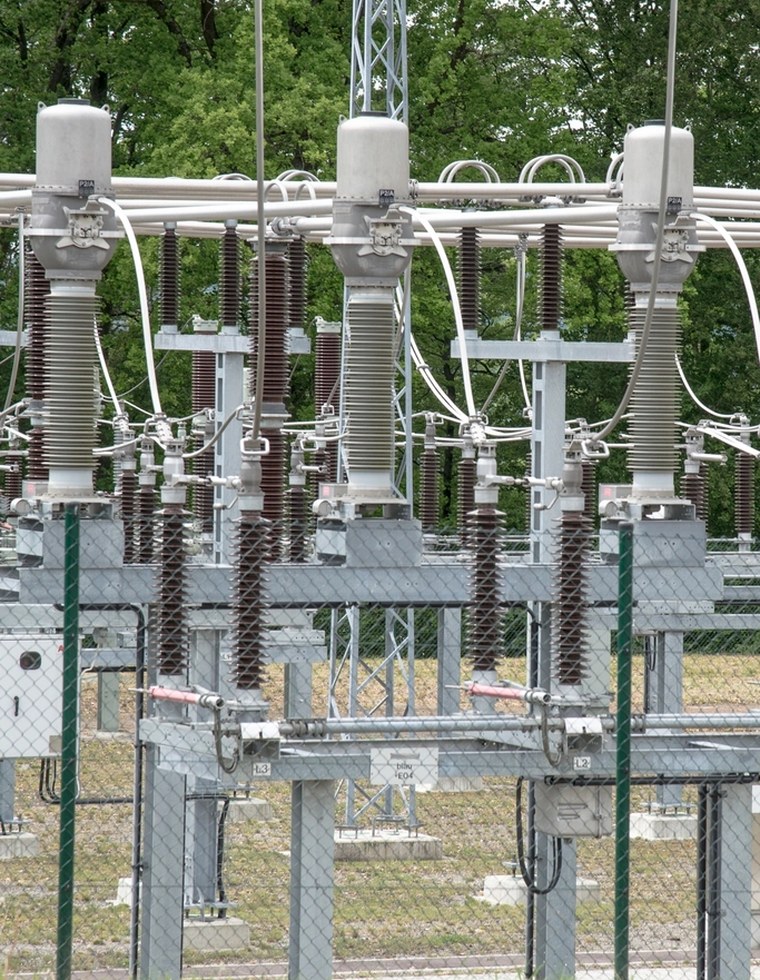
But the answer came from somewhere. It used chips, servers, buildings, cooling, electricity, land, water, people, contracts, and a grid that was built for older assumptions.
That is why the next AI fight may not be about whether a chatbot is clever. It may be about who pays for the power behind it.
Software becomes a utility problem
A data center is a technology project and a local infrastructure project. It needs power that could have served homes, schools, factories, hospitals, or future growth. It needs permits. It needs transmission. It may need new generation.
The user sees a fast answer. People at home and at work may see the load later, when they ask why a bill, a rule, or a local plan changed. The utility sees load. The local government sees tax revenue, jobs, land use, water questions, and angry residents. The ratepayer may see a bill.
That is the translation The Fast Now cares about: when a new technology leaves the demo and starts touching ordinary life.
The bill may not stay with tech companies
Tech companies can sign power agreements. Utilities can plan upgrades. States can welcome investment. None of that automatically answers the public question.
If infrastructure is built for huge AI loads and the economics change later, who carries the cost? If a grid upgrade helps one cluster of data centers, how much lands on everyone else? If local power demand rises, whose bills change first?
Those are not anti-AI questions. They are grown-up infrastructure questions.
Why this matters now
AI is moving from a software story to a physical-resource story. It is becoming part of the same conversation as electricity, water, land, heat, construction, public permits, and household costs.
That does not mean every data center is bad. It means the public has to stop talking about AI as if it floats above the ground.
The fast now is where a digital habit becomes a monthly bill, a permit hearing, a grid plan, or a local tradeoff.
What to ask before the next announcement
When a company announces a new AI facility, start with what it needs. Ask who pays. Ask who benefits. Ask what happens if the forecast is wrong.
The future of AI may be written in code. But part of the bill will be written on utility paperwork.