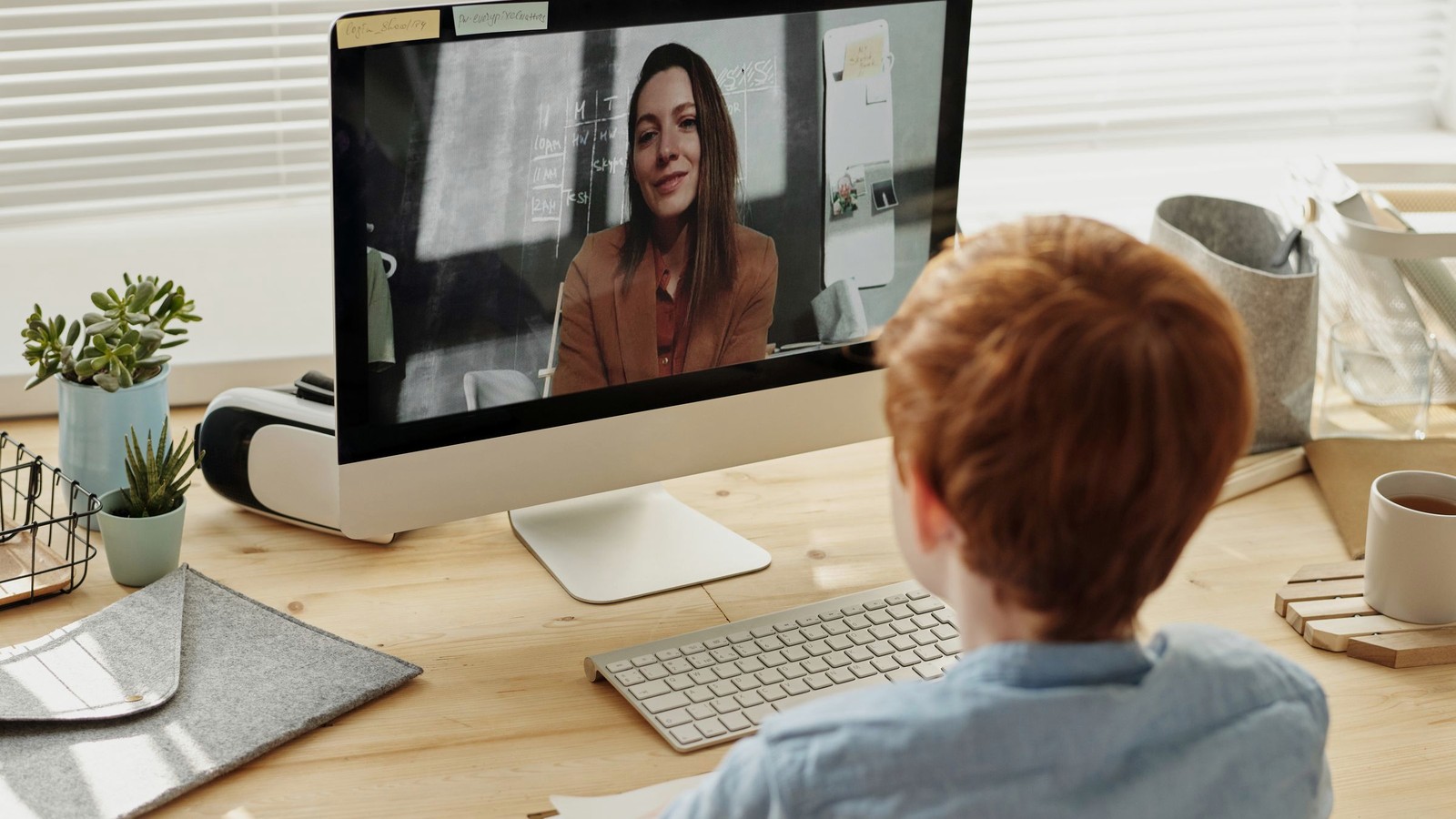
On September 2, 2026, New York City Mayor Zohran Mamdani and Schools Chancellor Kamar Samuels announced a one-year pause on student-facing generative AI in city schools. The rule covers grades 2-K through 8th grade and nearly 600,000 students, about two-thirds of enrollment. Companion chatbots are banned in every grade. Teachers may still use AI to plan lessons if the tools meet district safety standards. Exceptions remain for assistive technology, multilingual learners, and some career programs such as computer science. A smaller set of high school pilots continues, capped at about 50,000 students and at five classes per school. That is the written policy a New York family is living with this week.
The same week, Los Angeles Unified confirmed the West Coast version of the same hardware change. Student access to generative AI on district devices has been restricted since the start of the 2026-27 school year. LAUSD Chair Kelly Gonez put it in one line: "Currently, there is no access to generative AI for any student." Until this year, students 13 and older who finished Digital Citizenship instruction and accepted the Responsible Use Policy could use approved tools. On school-issued devices and district logins, those tools are blocked while the district reviews instructional use and safeguards. Board members said they cannot set the same rule on a personal phone.
These remain local school-system rules. A district that has not made this change may still allow the same chatbot on a school laptop. What changed for families inside those two systems is simpler. A student who opened an approved chatbot on a district laptop last year may hit a block this week. That is the change. The restriction travels with the school device and the school account. A personal phone signed into a personal account is a separate question.
Check the school laptop this week
Because the change shows up on hardware families already carry, the next step is inspection. Open the school laptop, or the parent portal, and ask whether generative AI is allowed on that device. Write the answer down, with the date. If you live outside New York City or Los Angeles, ask the same question. A local filter can change with little notice, and a written line is easier to use than a hallway conversation.
Public sources
- New York City Mayor's Office, “Mayor Mamdani and Chancellor Samuels Put Students First with Nation’s Broadest Generative AI Moratorium in Schools,” September 2, 2026
- NBC Los Angeles, “Generative AI banned on LAUSD-issued devices for students,” September 2, 2026
- Anna Merod, K-12 Dive, “LAUSD restricts all students from using AI tools,” September 2, 2026